| Citation: | Hui Yu, Longfei Hao, Rui Wang, Yongtai Gong, Yue Li. TIE1 is a potential target for hypertension-related atrial fibrillation[J]. Frigid Zone Medicine, 2026, 6(2): 86-96. doi: 10.1515/fzm-2026-0009

|

| [1] |
Li X, Wu C, Lu J, et al. Cardiovascular risk factors in China: A nationwide population-based cohort study. Lancet Public Health, 2020; 5(12): e672-e681. doi: 10.1016/S2468-2667(20)30191-2
|
| [2] |
Zhu X, Chen R, Zhang Y, et al. Low ambient temperature increases the risk and burden of atrial fibrillation episodes: A nationwide case-crossover study in 322 Chinese cities. Sci Total Environ, 2023; 880: 163351. doi: 10.1016/j.scitotenv.2023.163351
|
| [3] |
Chen J, Gao Y, Jiang Y, et al. Low ambient temperature and temperature drop between neighbouring days and acute aortic dissection: A case-crossover study. Eur Heart J, 2022; 43(3): 228-235. doi: 10.1093/eurheartj/ehab803
|
| [4] |
Zhang Q, Peng L, Hu J, et al. Low temperature and temperature decline increase acute aortic dissection risk and burden: A nationwide case crossover analysis at hourly level among 40,270 patients. Lancet Reg Health West Pac, 2022; 28: 100562.
|
| [5] |
Escolar V, Lozano A, Larburu N, et al. Impact of environmental factors on heart failure decompensations. ESC Heart Fail, 2019; 6(6): 1226-1232. doi: 10.1002/ehf2.12506
|
| [6] |
Luo Y, Zhang Y, Han X, et al. Akkermansia muciniphila prevents cold-related atrial fibrillation in rats by modulation of TMAO induced cardiac pyroptosis. EBioMedicine, 2022; 82: 104087. doi: 10.1016/j.ebiom.2022.104087
|
| [7] |
Yang L, Li L, Lewington S, et al. Outdoor temperature, blood pressure, and cardiovascular disease mortality among 23 000 individuals with diagnosed cardiovascular diseases from China. Eur Heart J, 2015; 36(19): 1178-1185. doi: 10.1093/eurheartj/ehv023
|
| [8] |
Hindricks G, Potpara T, Dagres N, et al. 2020 ESC Guidelines for the diagnosis and management of atrial fibrillation developed in collaboration with the European Association for Cardio-Thoracic Surgery (EACTS): The task force for the diagnosis and management of atrial fibrillation of the European Society of Cardiology (ESC) developed with the special contribution of the European Heart Rhythm Association (EHRA) of the ESC. Eur Heart J, 2021; 42(5): 373-498. doi: 10.1093/eurheartj/ehaa612
|
| [9] |
Lacoste J L, Szymanski T W, Avalon J C, et al. Atrial fibrillation management: a comprehensive review with a focus on pharmacotherapy, rate, and rhythm control strategies. Am J Cardiovasc Drugs, 2022; 22(5): 475-496. doi: 10.1007/s40256-022-00529-6
|
| [10] |
Heijman J, Madreiter-Sokolowski C T. Is ageing a modifiable risk factor for atrial fibrillation. Cardiovasc Res, 2024; 120(5): 440-442. doi: 10.1093/cvr/cvae040
|
| [11] |
Camargo L L, Rios F J, Montezano A C, et al. Reactive oxygen species in hypertension. Nat Rev Cardiol, 2025; 22(1): 20-37. doi: 10.1038/s41569-024-01062-6
|
| [12] |
Mills K T, Stefanescu A, He J. The global epidemiology of hypertension. Nat Rev Nephrol, 2020; 16(4): 223-237. doi: 10.1038/s41581-019-0244-2
|
| [13] |
Zhou B, Perel P, Mensah G A, et al. Global epidemiology, health burden and effective interventions for elevated blood pressure and hypertension. Nat Rev Cardiol, 2021; 18(11): 785-802. doi: 10.1038/s41569-021-00559-8
|
| [14] |
NCD Risk Factor Collaboration (NCD-RisC). Worldwide trends in hypertension prevalence and progress in treatment and control from 1990 to 2019: A pooled analysis of 1201 population-representative studies with 104 million participants. Lancet, 2021; 398(10304): 957-980. doi: 10.1016/S0140-6736(21)01330-1
|
| [15] |
Deng M, Huang L, Ning B, et al. β-asarone improves learning and memory and reduces acetyl cholinesterase and beta-amyloid 42 levels in APP/PS1 transgenic mice by regulating Beclin-1-dependent autophagy. Brain Res, 2016; 1652: 188-194. doi: 10.1016/j.brainres.2016.10.008
|
| [16] |
Guo X, Ouyang N, Sun G, et al. Multifaceted intensive blood pressure control model in older and younger individuals with hypertension: A randomized clinical trial. JAMA Cardiol, 2024; 9(9): e241449.
|
| [17] |
Schiffrin E L, Fisher N D L. Diagnosis and management of resistant hypertension. BMJ, 2024; 385: e079108. doi: 10.1136/bmj-2023-079108
|
| [18] |
Wang C, Liu S, Miao W, et al. Intensive blood pressure control in isolated systolic hypertension: A post hoc analysis of a cluster randomized trial. Lancet Reg Health West Pac, 2024; 48: 101127.
|
| [19] |
Huxley R R, Lopez F L, Folsom A R, et al. Absolute and attributable risks of atrial fibrillation in relation to optimal and borderline risk factors: The Atherosclerosis Risk in Communities (ARIC) study. Circulation, 2011; 123(14): 1501-1508. doi: 10.1161/CIRCULATIONAHA.110.009035
|
| [20] |
Rahman F, Yin X, Larson M G, et al. Trajectories of risk factors and risk of new-onset atrial fibrillation in the framingham heart study. Hypertension, 2016; 68(3): 597-605. doi: 10.1161/HYPERTENSIONAHA.116.07683
|
| [21] |
Wu K, Zhu J, Ma Y, et al. Exploring immune related gene signatures and mechanisms linking non alcoholic fatty liver disease to atrial fibrillation through transcriptome data analysis. Sci Rep, 2023; 13(1): 17548. doi: 10.1038/s41598-023-44884-z
|
| [22] |
Chen W, Yang Q, Hu L, et al. Shared diagnostic genes and potential mechanism between PCOS and recurrent implantation failure revealed by integrated transcriptomic analysis and machine learning. Front Immunol, 2023; 14: 1175384. doi: 10.3389/fimmu.2023.1175384
|
| [23] |
Pozarickij A, Gan W, Lin K, et al. Causal relevance of different blood pressure traits on risk of cardiovascular diseases: GWAS and Mendelian randomisation in 100,000 Chinese adults. Nat Commun, 2024; 15(1): 6265. doi: 10.1038/s41467-024-50297-x
|
| [24] |
Lu J, Wang Z. Mendelian randomisation supports no evidence of the association between asthma and coronary heart disease in East Asians. Eur Respir J, 2024; 64(1): 2400628. doi: 10.1183/13993003.00628-2024
|
| [25] |
Zhou L, Gao H, Zhang J, et al. Metabolic syndrome and cancer risk: A two-sample Mendelian randomization study of European ancestry. Int J Surg, 2025; 111(1): 311-321. doi: 10.1097/JS9.0000000000001926
|
| [26] |
Keaton J M, Kamali Z, Xie T, et al. Genome-wide analysis in over 1 million individuals of European ancestry yields improved polygenic risk scores for blood pressure traits. Nat Genet, 2024; 56(5): 778-791. doi: 10.1038/s41588-024-01714-w
|
| [27] |
Roselli C, Chaffin M D, Weng L C, et al. Multi-ethnic genome-wide association study for atrial fibrillation. Nat Genet, 2018; 50(9): 1225-1233. doi: 10.1038/s41588-018-0133-9
|
| [28] |
Selewa A, Luo K, Wasney M, et al. Single-cell genomics improves the discovery of risk variants and genes of atrial fibrillation. Nat Commun, 2023; 14(1): 4999. doi: 10.1038/s41467-023-40505-5
|
| [29] |
Hemani G, Zheng J, Elsworth B, et al. The MR-Base platform supports systematic causal inference across the human phenome. Elife, 2018; 7: e34408. doi: 10.7554/eLife.34408
|
| [30] |
Davies N M, Holmes M V, Davey S G. Reading Mendelian randomisation studies: A guide, glossary, and checklist for clinicians. BMJ, 2018; 362: k601.
|
| [31] |
Zhang J, Liu S, Ding W, et al. Resolution of inflammation, an active process to restore the immune microenvironment balance: A novel drug target for treating arterial hypertension. Ageing Res Rev, 2024; 99: 102352. doi: 10.1016/j.arr.2024.102352
|
| [32] |
Cheng J, Gu W, Lan T, et al. Single-cell RNA sequencing reveals cell type- and artery type-specific vascular remodelling in male spontaneously hypertensive rats. Cardiovasc Res, 2021; 117(4): 1202-1216. doi: 10.1093/cvr/cvaa164
|
| [33] |
Nosalski R, Siedlinski M, Denby L, et al. T-Cell-Derived miRNA-214 mediates perivascular fibrosis in hypertension. Circ Res, 2020; 126(8): 988-1003. doi: 10.1161/CIRCRESAHA.119.315428
|
| [34] |
Ye J, Que B, Huang Y, et al. Interleukin-12p35 knockout promotes macrophage differentiation, aggravates vascular dysfunction, and elevates blood pressure in angiotensin Ⅱ-infused mice. Cardiovasc Res, 2019; 115(6): 1102-1113. doi: 10.1093/cvr/cvy263
|
| [35] |
Shi H Z, Wang M W, Huang Y S, et al. A telomere-related gene risk model for predicting prognosis and treatment response in acute myeloid leukemia. Heliyon, 2024; 10(11): e31705. doi: 10.1016/j.heliyon.2024.e31705
|
| [36] |
Li Y, Liu X, Zhao F, et al. Comprehensive analysis of PSMD family members and validation of PSMD9 as a potential therapeutic target in human glioblastoma. CNS Neurosci Ther, 2024; 30(2): e14366. doi: 10.1111/cns.14366
|
| [37] |
Nijhawan D, Zack T I, Ren Y, et al. Cancer vulnerabilities unveiled by genomic loss. Cell, 2012; 150(4): 842-854. doi: 10.1016/j.cell.2012.07.023
|
| [38] |
Haertle L, Barrio S, Munawar U, et al. Single-nucleotide variants and epimutations induce proteasome inhibitor resistance in multiple myeloma. Clin Cancer Res, 2023; 29(1): 279-288. doi: 10.1158/1078-0432.CCR-22-1161
|
| [39] |
Kumar S, Nattamai K J, Hassan A, et al. Repolarization of HSC attenuates HSCs failure in Shwachman-Diamond syndrome. Leukemia, 2021; 35(6): 1751-1762. doi: 10.1038/s41375-020-01054-8
|
| [40] |
Król W, Machelak W, Zielińska M. GDF11 as a friend or an enemy in the cancer biology. Biochim Biophys Acta Rev Cancer, 2023; 1878(5): 188944. doi: 10.1016/j.bbcan.2023.188944
|
| [41] |
Kraler S, Balbi C, Vdovenko D, et al. Circulating GDF11 exacerbates myocardial injury in mice and associates with increased infarct size in humans. Cardiovasc Res, 2023; 119(17): 2729-2742. doi: 10.1093/cvr/cvad153
|
| [42] |
Garrido-Moreno V, Díaz-Vegas A, López-Crisosto C, et al. GDF-11 prevents cardiomyocyte hypertrophy by maintaining the sarcoplasmic reticulum-mitochondria communication. Pharmacol Res, 2019; 146: 104273. doi: 10.1016/j.phrs.2019.104273
|
| [43] |
Zhao Y, Zhu J, Zhang N, et al. GDF11 enhances therapeutic efficacy of mesenchymal stem cells for myocardial infarction via YME1L-mediated OPA1 processing. Stem Cells Transl Med, 2020; 9(10): 1257-1271. doi: 10.1002/sctm.20-0005
|
| [44] |
Du G Q, Shao Z B, Wu J, et al. Targeted myocardial delivery of GDF11 gene rejuvenates the aged mouse heart and enhances myocardial regeneration after ischemia-reperfusion injury. Basic Res Cardiol, 2017; 112(1): 7. doi: 10.1007/s00395-016-0593-y
|
| [45] |
Dou F, Wu B, Chen J, et al. PPARα targeting GDF11 inhibits vascular endothelial cell senescence in an atherosclerosis model. Oxid Med Cell Longev, 2021; 2021: 2045259. doi: 10.1155/2021/2045259
|
| [46] |
Xiang G, Ying K, Jiang P, et al. Growth differentiation factor 11 induces skeletal muscle atrophy via a STAT3-dependent mechanism in pulmonary arterial hypertension. Skelet Muscle, 2022; 12(1): 10. doi: 10.1186/s13395-022-00292-x
|
| [47] |
Du J, Liu P, Zhou Y, et al. The mechanosensory channel PIEZO1 functions upstream of angiopoietin/TIE/FOXO1 signaling in lymphatic development. J Clin Invest, 2024; 134(10): e176577. doi: 10.1172/JCI176577
|
| [48] |
Brouillard P, Murtomäki A, Leppänen V M, et al. Loss-of-function mutations of the TIE1 receptor tyrosine kinase cause late-onset primary lymphedema. J Clin Invest, 2024; 134(14): e173586. doi: 10.1172/JCI173586
|
| [49] |
Akwii R G, Mikelis C M. Targeting the Angiopoietin/Tie pathway: Prospects for treatment of retinal and respiratory disorders. Drugs, 2021; 81(15): 1731-1749. doi: 10.1007/s40265-021-01605-y
|
| [50] |
Griffin M E, Sorum A W, Miller G M, et al. Sulfated glycans engage the Ang-Tie pathway to regulate vascular development. Nat Chem Biol, 2021; 17(2): 178-186. doi: 10.1038/s41589-020-00657-7
|
 fzm-6-2-86_ESM.docx
|

|
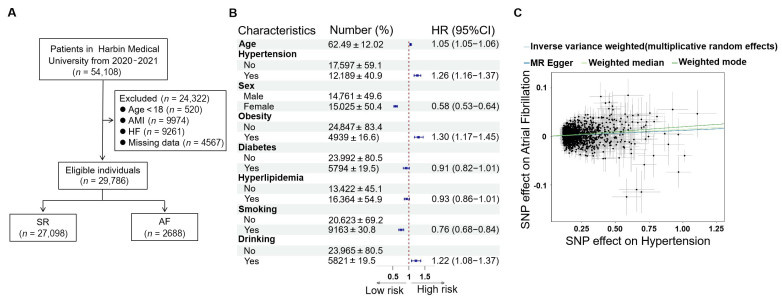
Figures(5)
Editorial Office: Frigid Zone Medicine, Editorial Office of Frigid Zone Medicine, Heilongjiang Health Development Research Center, Zhongshan Road 112, Xiangfang District, Harbin, 150036, China
Tel: 0451-87253028
E-mail: editorialoffice@frigidzonemedicine.com
Supported by:
Beijing Renhe Information Technology Co., Ltd.



 Submit


 DownLoad: