投稿系统



Acute and subchronic toxicological evaluation of Ganoderma lucidum spore powder in mice
doi: 10.1515/fzm-2026-0015
-
Abstract:
Objective Ganoderma lucidum spore powder (GLSP) consists of small, ovoid reproductive cells released during the later stage of Ganoderma lucidum (G. lucidum) development. Its bioactive constituents are enclosed within a resistant outer wall and become more bioavailable following wall disruption. Although GLSP is widely recognized for its medicinal potential, its safety profile has not been systematically characterized. This study evaluated the acute and subchronic toxicity of GLSP derived from G. lucidum cultivated in Northeast China. Methods Acute toxicity was assessed in male and female mice following a single oral administration of GLSP at the maximum feasible dose of 16 g/kg. For the subchronic toxicity study, mice were randomly assigned, with equal numbers of males and females, to a control group (CTL) or to low-, medium-, and high-dose GLSP groups receiving 1.075, 2.15, and 4.3 g/kg/day, respectively. GLSP was administered by oral gavage for 13 consecutive weeks, followed by a 4-week recovery period. Clinical condition, behavior, body weight, and food consumption were monitored throughout the study. Cardiac function was evaluated using electrocardiography and echocardiography, and blood pressure was measured noninvasively. Anti-fatigue and hypoxia-tolerance capacities were evaluated using forced-swimming and hypoxia tolerance tests. Bone mass and microarchitecture were assessed by micro-computed tomography (microCT). At the end of the dosing and recovery periods, serum biochemical parameters, relative organ weights, and histopathological findings were comprehensively evaluated. Results In the acute toxicity study, no mortality or abnormal behavior, or other signs of toxicity were observed during the 14-day observation period following a single oral dose of GLSP at 16 g/kg. In the subchronic toxicity study, daily GLSP administration for 13 weeks produced no treatment-related changes in clinical appearance, behavior, body weight, food consumption, serum biochemical parameters, relative organ weights, or histopathological findings at any tested dose. Cardiac function, blood pressure, anti-fatigue capacity, and hypoxia tolerance were not adversely affected. GLSP administration also had no significant effect on bone mass or microarchitecture. Findings after the 4-week recovery period were consistent with those observed at the end of the dosing period. Conclusions GLSP produced no observable acute or subchronic toxicity in mice under the conditions of this study. The no-observed-adverse-effect level was therefore considered to be at least 4.3 g/kg/day following 13 weeks of repeated oral administration. These findings support a favorable preclinical safety profile for the further development and application of GLSP. -
Key words:
- Ganoderma lucidum spore powder /
- acute toxicity /
- long-term toxicity
-

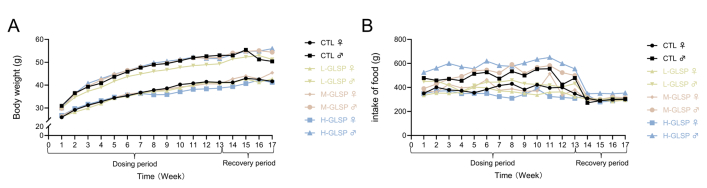
Figure 1. Changes in body weight and food intake in mice following Ganoderma lucidum spore powder (GLSP) administration
(A) Changes in body weight throughout the study. (B) Changes in food intake throughout the study. Data are presented as the mean ± SEM. CTL, control group; L-GLSP, low-dose GLSP group; M-GLSP, medium-dose GLSP group; H-GLSP, high-dose GLSP group. N = 12 per group.

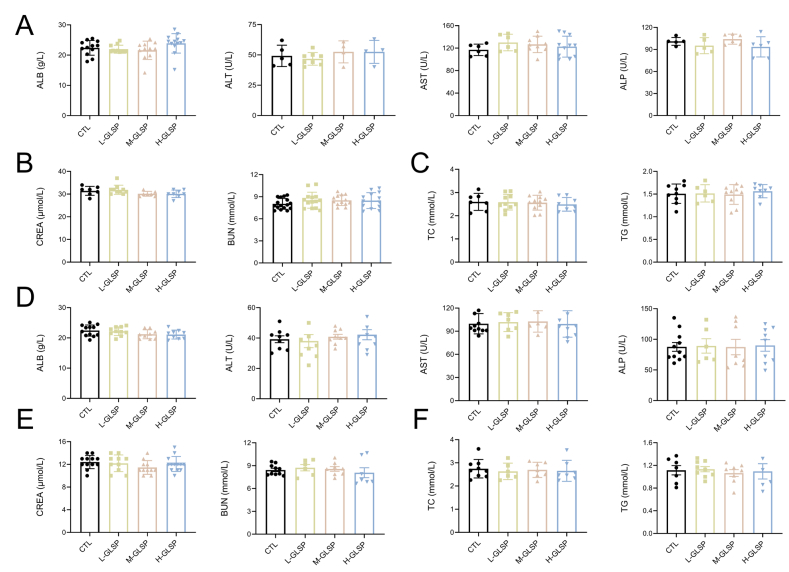
Figure 2. Effects of Ganoderma lucidum spore powder (GLSP) on serum biochemical parameters in mice
(A) Hepatic function parameters at the end of the dosing period. (B) Renal function parameters at the end of the dosing period. (C) Serum lipid parameters at the end of the dosing period. (D) Hepatic function parameters after the 4-week recovery period. (E) Renal function parameters after the recovery period. (F) Serum lipid parameters after the recovery period. N = 5-12 per group. CTL, control group; L-GLSP, low-dose GLSP group; M-GLSP, medium-dose GLSP group; H-GLSP, high-dose GLSP group. ALB, albumin; ALT, alanine aminotransferase; AST, aspartate aminotransferase; ALP, alkaline phosphatase; CREA, creatinine; BUN, blood urea nitrogen; TC, total cholesterol; TG, triglycerides.

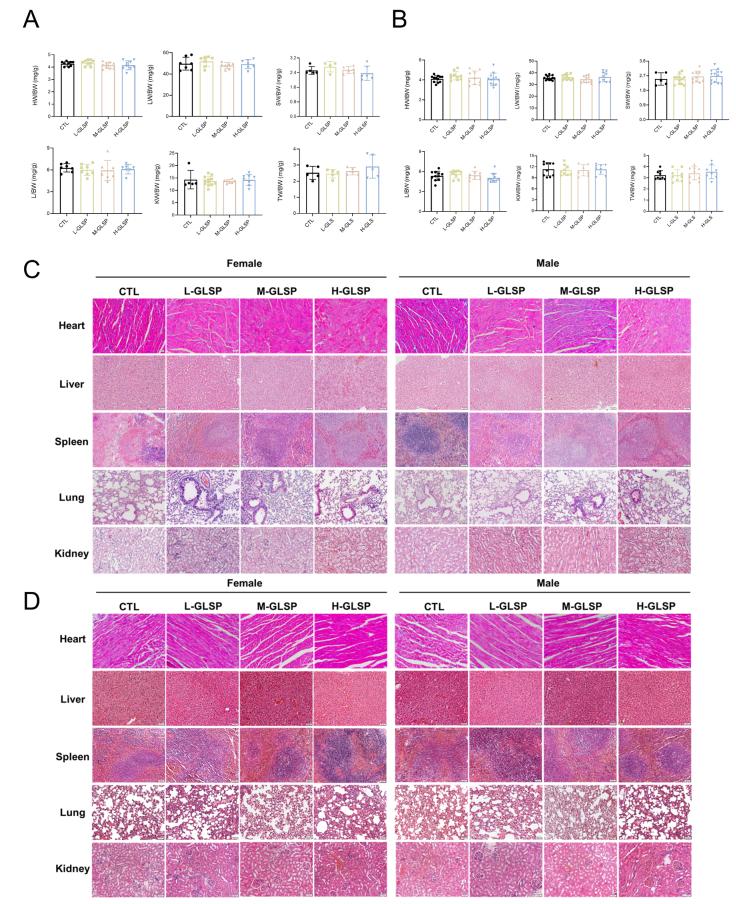
Figure 3. Effects of Ganoderma lucidum spore powder (GLSP) on relative organ weights and histopathological findings in mice
(A) Relative organ weights at the end of the dosing period (N = 5-12 per group). (B) Relative organ weights after the 4-week recovery period (N = 5-12 per group). (C) Representative hematoxylin and eosin (H&E)-stained sections of the examined organs at the end of the dosing period. Scale bar: 50 μm. N = 6-8 per group. (D) Representative H&E-stained organ sections of the examined organs after the recovery period. Scale bar: 50 μm. N = 6-8 per group. CTL, control group; L-GLSP, low-dose GLSP group; M-GLSP, medium-dose GLSP group; H-GLSP, high-dose GLSP group. HW/BW: Heart Weight/Body Weight; LW/BW: Liver Weight /Body Weight; SW/BW: Spleen Weight/Body Weight; LuW/BW: Lung Weight/Body Weight; KW/BW: Kidney Weight/Body Weight; TW/BW: Thymus Weight/Body Weight.

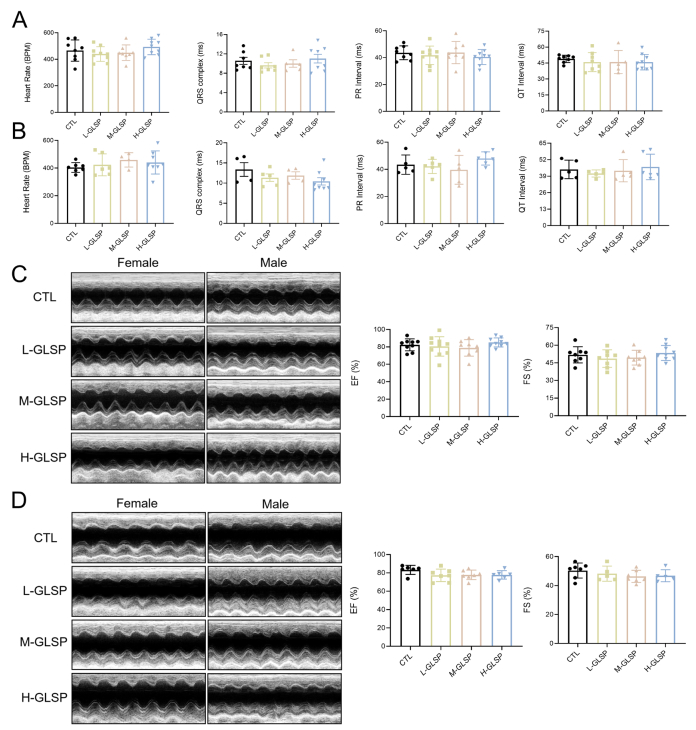
Figure 4. Effects of Ganoderma lucidum spore powder (GLSP) on cardiac function in mice
(A) Electrocardiographic parameters at the end of the dosing period (N = 6-8 per group). (B) Electrocardiographic parameters after the 4-week recovery period (N = 4-8 per group). (C) Representative M-mode echocardiographic images and quantitative analysis of cardiac function at the end of the dosing period (N = 6-8 per group). (D) Representative M-mode echocardiographic images and quantitative analysis of cardiac function after the recovery period (N = 6-8 per group). CTL, control group; L-GLSP, low-dose GLSP group; M-GLSP, medium-dose GLSP group; H-GLSP, high-dose GLSP group. EF: ejection fraction; FS: fractional shortening.

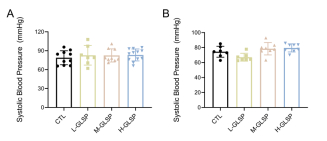
Figure 5. Effects of Ganoderma lucidum spore powder (GLSP) on blood pressure in mice
(A) Blood pressure parameters at the end of the dosing period (N = 7-12 per group). (B) Blood pressure parameters after the 4-week recovery period (N = 6-8 per group). CTL, control group; L-GLSP, low-dose GLSP group; M-GLSP, medium-dose GLSP group; H-GLSP, high-dose GLSP group.

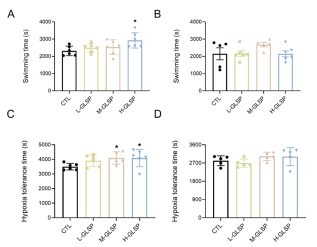
Figure 6. Effects of GLSP on swimming endurance and hypoxia tolerance in mice
(A) Swimming endurance time at the end of the dosing period (N = 6 per group). (B) Swimming endurance time after the 4-week recovery period (N = 5-6 per group). (C) Hypoxia tolerance time at the end of the dosing period (N = 5-6 per group). (D) Hypoxia tolerance time after the recovery period (N = 5 per group). Data are presented as the mean ± SEM. *P < 0.05 versus the CTL group. CTL, control group; L-GLSP, low-dose GLSP group; M-GLSP, medium-dose GLSP group; H-GLSP, high-dose GLSP group.

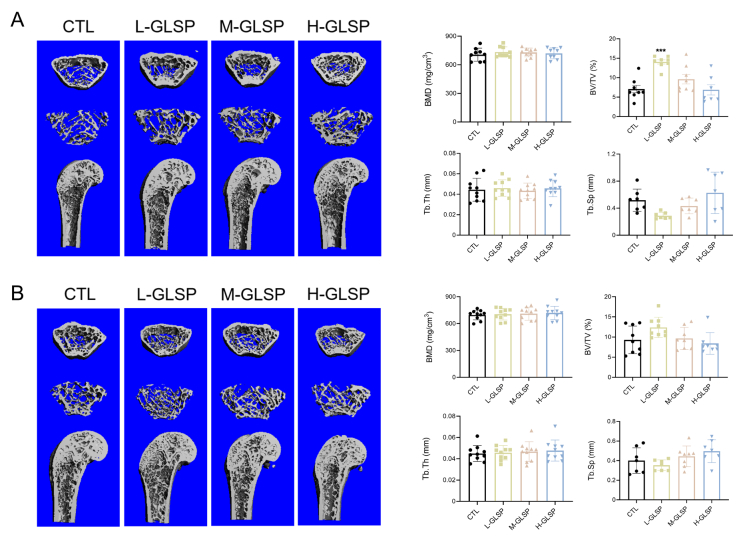
Figure 7. Effects of GLSP on bone mass and trabecular microarchitecture in mice
(A) Representative three-dimensional micro-computed tomography reconstructions of trabecular bone and quantitative bone parameters at the end of the dosing period; (B) Representative three-dimensional micro-computed tomography reconstructions of trabecular bone and quantitative bone parameters after the 4-week recovery period. Data are presented as the mean ± SEM (N = 6-10 per group). BMD: bone mineral density; BV/TV: bone volume fraction; Tb.Th: trabecular thickness; Tb.Sp: trabecular separation. ***P < 0.001 versus the CTL group. CTL, control group; L-GLSP, low-dose GLSP group; M-GLSP, medium-dose GLSP group; H-GLSP, high-dose GLSP group.
Table 1. Experimental design and dosing regimen for the subchronic toxicity study of GLSP
Group Dosage (g/kg) Equivalent Clinical Dose Multiple Number of Animals Female Male CTL 0 0 12 12 L-GLSP 1.075 25 12 12 M-GLSP 2.15 50 12 12 H-GLSP 4.3 100 12 12  下载: 导出CSV
-
[1] Xu J, Li P. Researches and application of ganoderma spores powder[J]. Adv Exp Med Biol, 2019; 1181: 157-186. [2] Qi Y, Zhong S, Pan F, et al. Effects of different wall-breaking methods on the nutrient release of Ganoderma lucidum spore powder during in vitro digestion[J]. J Sci Food Agric, 2024; 104(11): 6657-6666. doi: 10.1002/jsfa.13490 [3] Wang J, Ke R, Zhang S. Breaking the sporoderm of Ganoderma lucidum spores by combining chemical reaction with physical actuation[J]. Nat Prod Res, 2017; 31(20): 2428-2434. doi: 10.1080/14786419.2017.1312394 [4] Shi Y J, Zheng H X, Hong Z P, et al. Antitumor effects of different Ganoderma lucidum spore powder in cell- and zebrafish-based bioassays[J]. J Integr Med, 2021; 19(2): 177-184. doi: 10.1016/j.joim.2021.01.004 [5] Chen D, Zhang G, Yang J, et al. Comparative pharmacokinetic analysis of sporoderm-broken and sporoderm-removed Ganoderma lucidum spore in rat by using a sensitive plasma UPLC-QqQ-MS method[J]. Biomed Chromatogr, 2024; 38(2): e5787. doi: 10.1002/bmc.5787 [6] Plosca M P, Chiș M S, Fărcaș A C, et al. Ganoderma lucidum-from ancient remedies to modern applications: Chemistry, benefits, and safety[J]. Antioxidants (Basel), 2025; 14(5): 513. doi: 10.3390/antiox14050513 [7] Zheng W, Lan S, Zhang W, et al. Polysaccharide structure evaluation of Ganoderma lucidum from different regions in China based on an innovative extraction strategy[J]. Carbohydr Polym, 2024; 335: 122079. doi: 10.1016/j.carbpol.2024.122079 [8] Tian J, Wei J, Liu Y, et al. Application of Electronic tongue and HPLC in rapid determination of functional triterpenes and origins of Ganoderma lucidum. Front Nutr, 2024; 11: 1446956. doi: 10.3389/fnut.2024.1446956 [9] Li W, Zhou Q, Lv B, et al. Ganoderma lucidum polysaccharide supplementation significantly activates T-cell-mediated antitumor immunity and enhances anti-PD-1 immunotherapy efficacy in colorectal cancer. J Agric Food Chem, 2024; 72(21): 12072-12082. doi: 10.1021/acs.jafc.3c08385 [10] Chen C, Chen J, Wang Y, et al. Ganoderma lucidum polysaccharide inhibits HSC activation and liver fibrosis via targeting inflammation, apoptosis, cell cycle, and ECM-receptor interaction mediated by TGF-β/Smad signaling. Phytomedicine, 2023; 110: 154626. doi: 10.1016/j.phymed.2022.154626 [11] Zhao Y, Li Q, Wang M, et al. Structural characterization of polysaccharides after fermentation from Ganoderma lucidum and its antioxidant activity in HepG2 cells induced by H(2)O(2). Food Chem, 2023; 18: 100682. [12] Fang L, Zhao Q, Guo C, et al. Removing the sporoderm from the sporoderm-broken spores of Ganoderma lucidum improves the anticancer and immune-regulatory activity of the water-soluble polysaccharide. Front Nutr, 2022; 9: 1006127. doi: 10.3389/fnut.2022.1006127 [13] Shevelev O B, Seryapina A A, Zavjalov E L, et al. Hypotensive and neurometabolic effects of intragastric Reishi (Ganoderma lucidum) administration in hypertensive ISIAH rat strain. Phytomedicine, 2018; 41: 1-6. [14] Wen L, Sheng Z, Wang J, et al. Structure of water-soluble polysaccharides in spore of Ganoderma lucidum and their antiinflammatory activity. Food Chem, 2022; 373(Pt A): 131374. [15] Guo C, Guo D, Fang L, et al. Ganoderma lucidum polysaccharide modulates gut microbiota and immune cell function to inhibit inflammation and tumorigenesis in colon. Carbohydr Polym, 2021; 267: 118231. doi: 10.1016/j.carbpol.2021.118231 [16] Guo D A, Wei W, Yao C, et al. Chinese herbal medicines with beneficial effects. Frigid Zone Medicine, 2021; 1(2): 79-83. doi: 10.2478/fzm-2021-0010 [17] Yu Z M, Lyu P, Wang L M, et al. Analysis on current situation and development potential of ecological compound plantingof Chinese medicinal materials in Northeast China. Journal of Chinese Medicinal Materials, 2024; 47(5): 1071-1078. [18] Liu H, Wang J, Sun X, et al. The driving mechanism of soil organic carbon biodegradability in the black soil region of Northeast China. Sci Total Environ, 2023; 884: 163835. doi: 10.1016/j.scitotenv.2023.163835 [19] Xia L, Sun R, Zhang L, et al. A 26-week repeated dose toxicity evaluation of sporoderm-removed Ganoderma lucidum spores in rats. Food Chem Toxicol, 2023; 182: 114175. doi: 10.1016/j.fct.2023.114175 [20] Ren S, Liu H, Sang Q, et al. A review of bioactive components and pharmacological effects of Ganoderma lucidum. Food Sci Nutr, 2025; 13(7): e70623. doi: 10.1002/fsn3.70623 [21] Lin Z. Ganoderma (Lingzhi) in traditional Chinese medicine and Chinese culture. Adv Exp Med Biol, 2019; 1181: 1-13. [22] Wu T T, Chen Y Y, Yuan Z C, et al. Synergy of de-walled Ganoderma lucidum spore powder (GLSP) on targeted therapy in advanced non-squamous non-small cell lung cancer with epidermal growth factor receptor (EGFR) mutant: Protocol for a randomized, double-blind, placebo-controlled study. BMC Complement Med Ther, 2024; 24(1): 125. doi: 10.1186/s12906-024-04416-2 [23] Chen X, Liu X, Sheng D, et al. Distinction of broken cellular wall Ganoderma lucidum spores and G. lucidum spores using FTIR microspectroscopy[J]. Spectrochim Acta A Mol Biomol Spectrosc, 2012; 97: 667-672. doi: 10.1016/j.saa.2012.07.046 [24] Thuy N H L, Tu V L, Thu L N A, et al. Pharmacological activities and safety of Ganoderma lucidum spores: A systematic review. Cureus, 2023; 15(9): e44574. [25] Zhang M, Wu M Y, Yang L F, et al. Quality analysis of broken Ganoderma lucidum spores produced from different origin raw materials. China Fruit & Vegetable, 2019; 39(3): 7-13. [26] He X, Chen Y, Li Z, et al. Germplasm resources and secondary metabolism regulation in Reishi mushroom (Ganoderma lucidum). Chin Herb Med, 2023; 15(3): 376-382. [27] Wang J H, Wang Y F, Shi L, et al. Comparative study on cultivation adaptability in cold regions of 20 Stains of Ganoderma tsugae. Edible and Medicinal Mushrooms, 2021; 29(03): 237-241. [28] Huang F H, Wang Q L. Interpretation of guidance on single dose toxicity study for pharmaceuticals. Chinese Journal of New Drugs, 2015; 24(4): 386-389+399. [29] Lin H, Jin L Z, Che C L, et al. Toxicological safety evaluation of sporoderm-broken spore powders of organic Ganoderma lucidum of Changbai Mountain. Journal of Food Safety & Quality, 2017; 8(2): 662-668. [30] Lin L, Liu K L, Lan Y T, et al. Acute and subacute toxicity evaluation of broken Ganoderma lucidum spore powder. Occupation and Health, 2022; 38(1): 23-26+31. -

 点击查看大图
计量
- 文章访问数: 61
- HTML全文浏览量: 33
- PDF下载量: 8
- 被引次数: 0